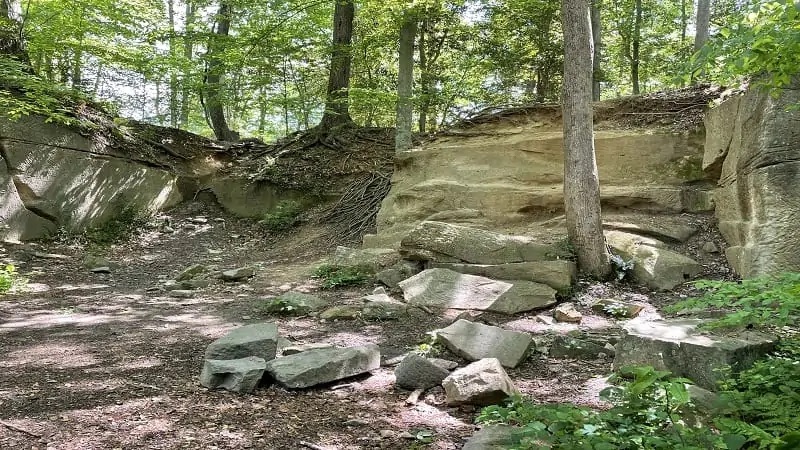
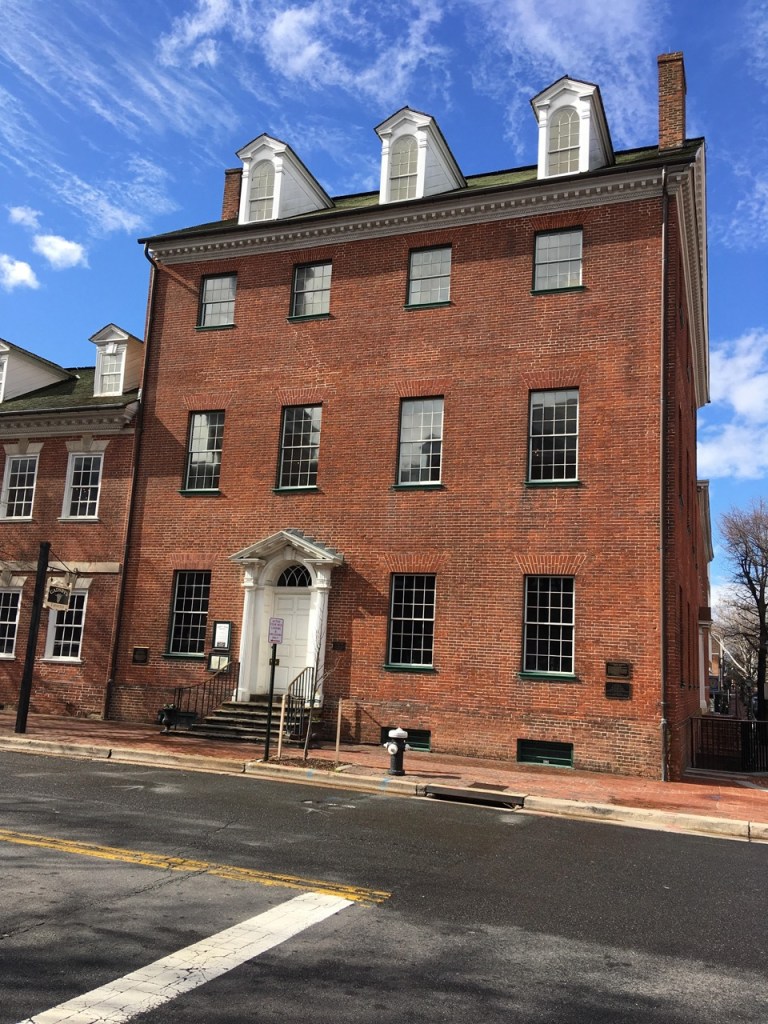
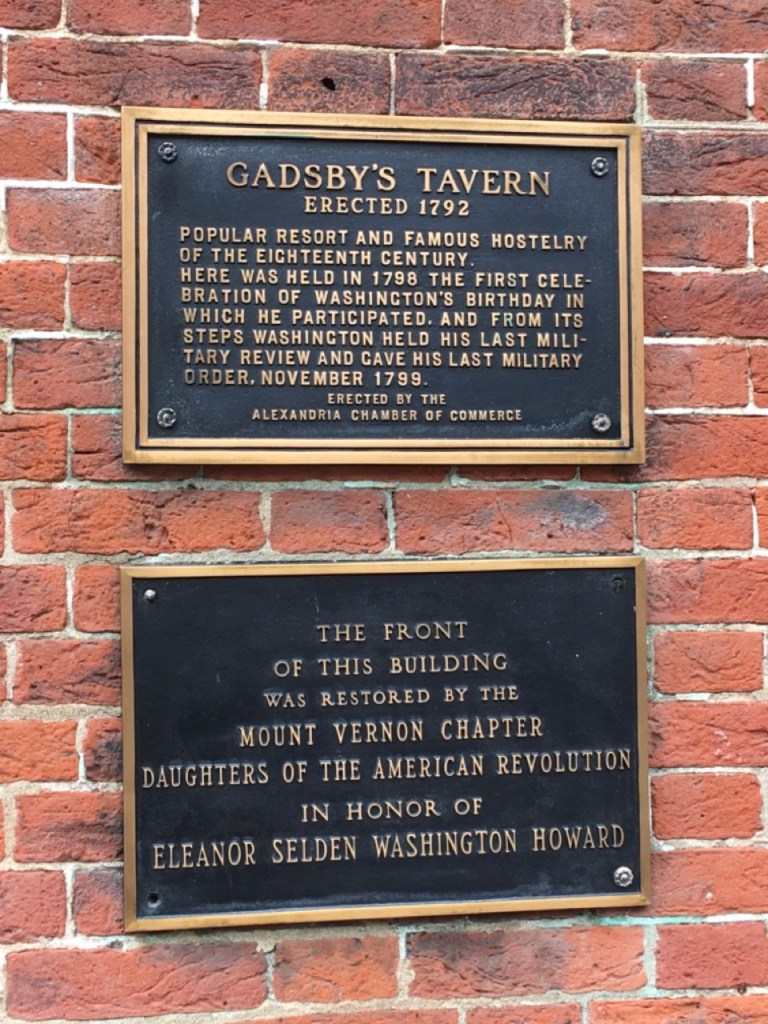
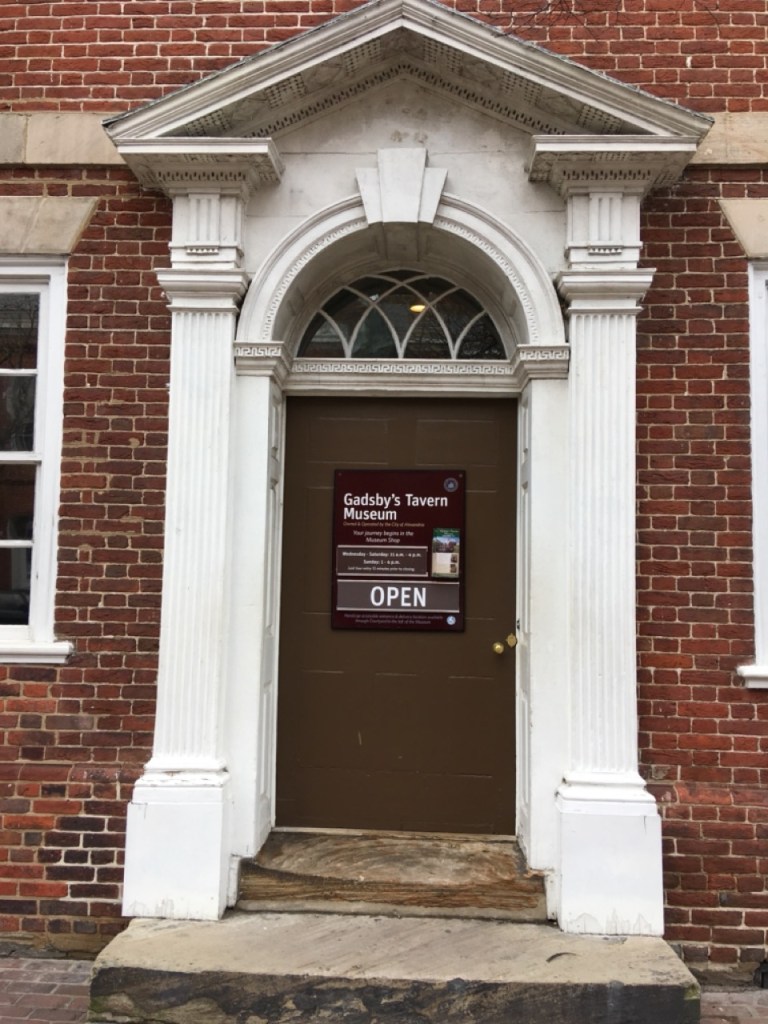
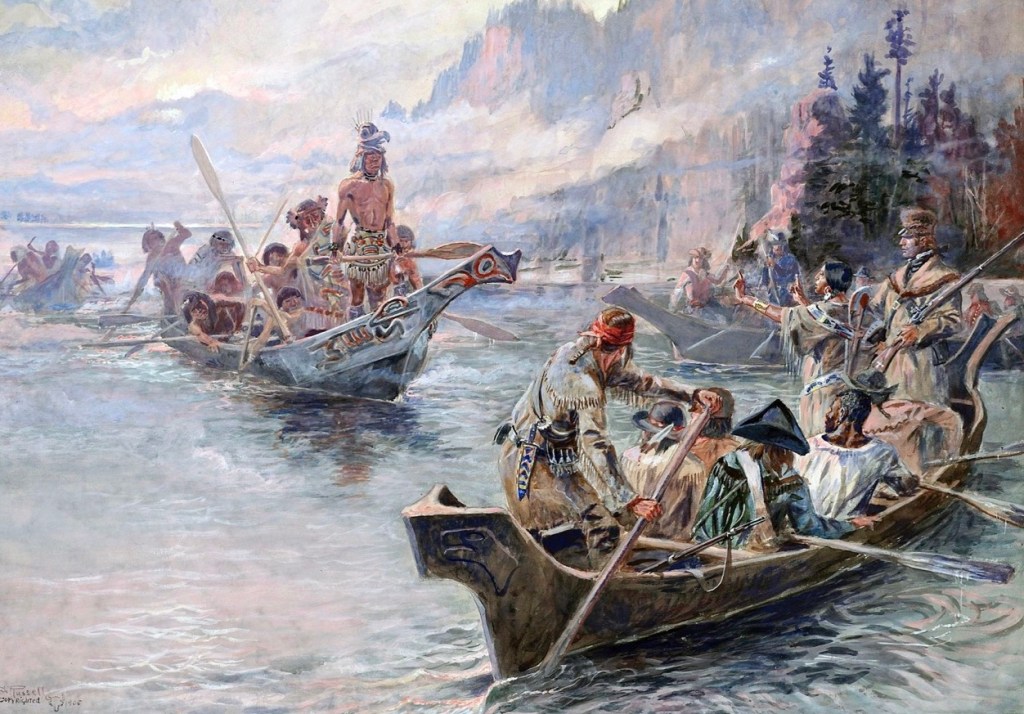
17th Set out in the mail stage at 10 Oclock, Breakfast Dined at Stafford C. (Court) House, supped at acckoquan (Occoquan), got to Alexanda (Alexandria) at one at night and at Georgetown at 4 Oclock A.m came 32 mi. same night went to bed and slept two Hr. Expense, Stage here to Alexand (ria) $7.50. William left Fredericksburg, VA on Sunday evening, 17 December. The Stage Coach had a schedule that must maintained and the amenities were few. The route was rolling hills following the corridor of today’s US Highway 1 through Alexandria, VA to Georgetown and Washington D.C. Horses were changed every 12-15 miles and passengers ate quickly while a change of horses was made.(1) Clark had traveled the same route in 1798 as he went south to Fredericksburg passing through the same communities. This is the same route used by Washington and Rochambeau as they rushed to Yorktown to trap British General Cornwallis.(2) Today the Washington Rochambeau National Historic Trail (Virginia Section) follows the corridor of US 1, the same corridor Clark is following. w3r-us.org The first stop was Stafford Court House. Clark wrote that he dined after striking Breakfas t , but did not mention a change in horses. Stafford Court House is approximately 9 miles from Aquia Creek Quarries that provided the sandstone for the White House, the center portion of the United States Capitol and other federal buildings. Today the quarry is a park.(3) Sandstone was removed from the quarry near the Potomac River then transported to the Federal City (Washington D.C.) by boat for carving and fitting before being set in place in the buildings.(4) Expense, Diner at Stafford C.H. $.75. Driver- .25 Government Island: Take a Hike at “America’s Historic Stone Quarry” in Stafford County (gohikevirginia.com) Stafford Court House will be linked to William Clark in another way that he will never know. President Abraham Lincoln traveled to Stafford Court House to confer with General Oliver Otis Howard concerning an appointment to head the Refugees, Freedmen and Abandoned Lands Bureau following the Civil War. The bureau will lead to the founding of today’s Howard University (Washington, D.C.) and Lincoln Memorial University (Harrogate, TN).(5) In 1876 General Howard was appointed to command the Army Department of Columbia and U.S. Senior military leader during the Nez Perce War.(6) William Clark’s alleged Nez Perce son, Daytime Smoke(r) (Halahlokit) was one of the Nez Perce that surrendered at Bear Paw Mountain, MT in October 1877, to Colonel Nelson Miles, a subordinate of Oliver Otis Howard. (7)(8) The Nez Perce had moved far and fast but Nez Perce children, women and the remaining warriors were over taken due to lack of food and winter clothing, the US Army just caught up with the Nez Perce. Clark’s stagecoach crossed numerous runs, small stream, and rivers draining into the Potomac River, todays US 1. Those same streams turned the gristmills, saw mills, and provided a place to fish or trap fur bearing animals. Today these streams are recreational opportunities for boating of all types and continue to be a place for recreational fishing.(9) William Clark is traveling near the Potomac River Segment of the Captain John Smith Historic Trail. This is an excellent opportunity to follow another historic trail and experience the history of the Indigenous People met by Captain John Smith.(10) chesapeakeconservancy.org The stop in Occoquan would have allowed the change of horses as well as the opportunity to get a drink and something to eat. Like other early towns located on a stream, the water power for the mill(s) was the life blood of the early industrial community. In the case of Occoquan, VA the gristmill was automated and may have been the first automated mill in America.(11) Expense, Ockaquan Suped- 1.00. The distance from Occoquan to Alexandria is 14 miles and continues as a rolling hilly road. If there were stops to change horses, Clark did not comment. The 8000-year history of precontact with Indigenous People in Virginia and a rich military history of American Armed Forces is along the route. Today the route passes very near the National Park Service – Prince William Forest Park. Prince William Forest Park, 18170 Park Entrance Road, Triangle, VA 22172 (38.5910055, -77.382850) VA 619(12) The entrance to the National Museum of the Marine Corps, 18900 Richmond Highway (US 1), Quantico, VA 22134 (38.54322 N -77.33878W).(13) (Note: the USMC Museum is between I-95 and US 1). The United States Army Museum, 1775 Liberty Drive, Ft. Belvoir, VA 22060, maintains an exhibit about the Lewis and Clark Corps of Discovery.(14) A virtual Field Trip, “Corps of Discovery: Lewis and Clark Expedition” includes the impact and effect of Lewis and Clark is available for classrooms through registration. This is an excellent tribute to the Lewis and Clark Expedition and the services it continues to provide the American people. A bonus in the region is US Bicycle Route 1. The USB Route 1 crosses US Highway 1, Richmond Highway, in several locations and follows the East Coast Greenway through Alexandria along the Potomac River. Traveling via bicycle or automobile along US Route 1 at VA 235 allows am easy access to George Washington’s Mount Vernon.(15) vdot.maps.arcgis.com William Clark did not specify the tavern or stage coach stop in Alexandria, VA but the historic Gadsby’s Tavern, designated as a National Landmark, is very likely.(16) The historic tavern built in 1785 by John Wise, was operated by several tavern keepers but the most famous keeper was John Gadsby. Gadsby relinquished his lease in 1808, and moved his hotel business to Baltimore and eventually to Washington D.C. Gadsby’s Tavern, located at 134 North Royal Street, Alexandria, VA 22314 (38°48’20.3508″ N, 77° 02′ 36.456″ W), was a convenient location for business and celebrations by founding fathers, including Washington, Jefferson, Madison, Monroe, and General Marquis de Lafayette. (17)(18) Today the Museum and Tavern is no longer available for overnight guest but available for dining and celebratory occasions. Gadsby Tavern ( https://gadsbystavernrestaurant.com/ ) – Credit: Lewis and Clark Trust Reconciling the time and distance between Alexandria, VA and Georgetown, Washington, D.C., is problematic for the 19-miles. Clark said the stage coach arrived in Alexandria at 1 AM. From the expense report, there was another stage coach or an additional expense from Alexandria to Georgetown of $ 1.50 with an additional .25 , which is likely a tip to the driver. Fortunately, Clark’s recording of “Georgetown” in his journal gives a clue to the corridor of travel and the bridge the stage coach crossed. The Chain Bridge, across the Potomac River, had been rebuilt in 1808, replacing a covered bridge built at the same site in 1797. (19)(20)(21) The present-day truss bridge at that same site is still called the Chain Bridge. Today the Mather Gorge and the Potomac River, above and below the Chain Bridge, is a canoe and kayaker’s playground.(22) The gorge is named for Stephen Mather, First Director of the National Park Service. Exp. (ense) at g.Town 1.11. arrived at Washington 18 Dec see other book. William Clark had arrived in Washington. From his journal entry of 18 December 1809, we learn: took my board at Mr. W( illiam) Oneals at 10 dollars for week with Mr. Epps, Mr. Giles, Mr. Howard. William O’Neal is first recorded operating a hotel in 1805 on the North side of I Street between 20th and 21 st Streets. (23)(24) William Clark and Representative Benjamin Howard had stayed in the same home/tavern during Clark’s trip to Washington, and it is probable that Howard had informed Clark where there was a place to stay in Washington. The tailor shop Clark visited is uncertain but the War Office where Clark visited with Secretary Eustis was in the Crocker House, today the site of the Eisenhower Executive Office Building.(25) Picture of Ft. Belvoir Army Museum – Painting of Indian Canoe
Sources
Images & Historic Sites
(1) https://www.nps.gov/teachers/classrooms/upload/unit-3-508.pdf page 1
(2) https://www.nps.gov/people/charles-cornwallis.htm
(3) https://gohikevirginia.com/government-island-virginia/
(4) https://www.virginia.org/listing/government-island/4090/
(5) https://www.nps.gov/places/general-oliver-otis-howard-house.htm
(6) https://staffordcountymuseum.com/artifact/maj-gen-oliver-otis-howard/
(7) http://npshistory.com/publications/nepe/index.htm
(8) Ronda, James P., Lewis and Clark Among the Indians , University of Nebraska Press, Lincoln, NE, 1988, page 233; West, Elliott, The Last Indian War:The Nez Perce Story , Oxford University Press, NY, 2009, page 302.
(9) https://www.tourstaffordva.com/attraction-category/outdoors/canoeingkayaking/
(10) https://www.chesapeakeconservancy.org/what-we-do/explore/find-your-chesapeake/about-the-trail/
(11) https://www.occoquanva.gov/visitors/mill-house-museum/
(12) https://www.nps.gov/prwi/planyourvisit/maps.htm
(13) https://www.alltopsights.com/attraction-national-museum-of-the-marine-corps-virginia-va/
(14) https://www.thenmusa.org/class/virtual-field-trip-corps-of-discovery-the-lewis-and-clark-expedition/
(15) https://www.mountvernon.org/
(16) https://www.nps.gov/places/gadsby-s-tavern.htm
(17) https://gadsbystavernrestaurant.com/
(18) https://washington.org/visit-va/things-do-old-town-alexandria-waterfront
(19) http://arlingtonhistoricalsociety.org/wp-content/uploads/2017/02/1957-Bridges.pdf
(21) https://www.mdhistory.org/resources/bridge-at-little-falls-of-the-potomac-river-above-georgetown/
(22) http://arlingtonhistoricalsociety.org/wp-content/uploads/2020/02/1991-2-Chain.pdf
(23) https://www.nps.gov/grfa/planyourvisit/kayaking.htm
(24) https://www.jstor.org/stable/pdf/40066842.pdf Pages 104 and 105.
(25) https://www.loc.gov/resource/g3850.ct004378/
(26) https://about.usps.com/who-we-are/postal-history/headquarters-sites.pdf See location descriptions 1 & 2