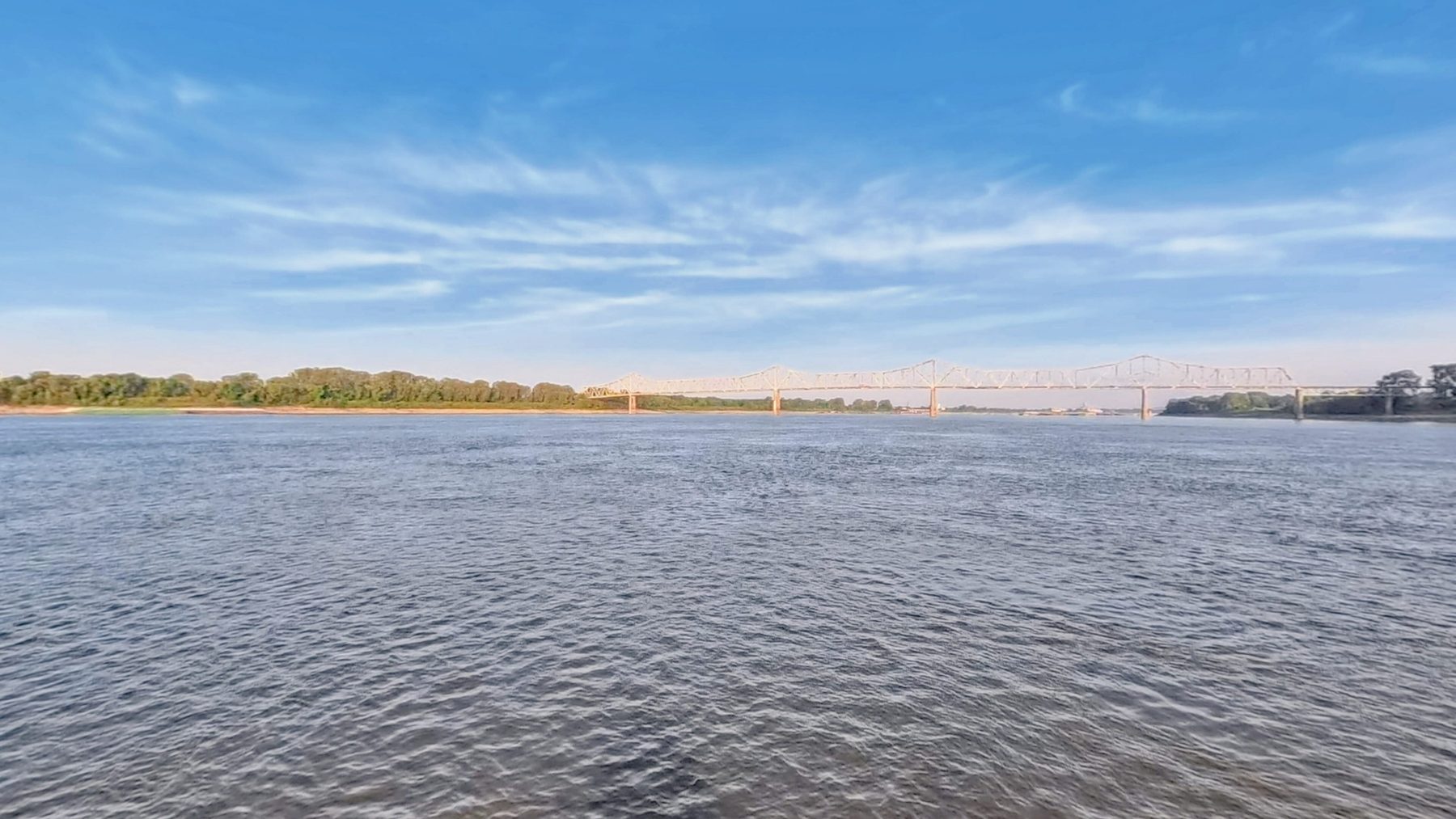
The Ohio Meets the Mississippi
Off Cairo Point, Illinois. September 8, 2026, 7:19 AM, the start of the Cairo to Memphis run.

A Lewis and Clark Trust Project · Captured September 2026
The Mississippi from the Cairo confluence to Memphis, and on to the Arkansas River: 406 miles, captured September 8 and 9, 2026
The Trust's challenge fund and its anonymous match paid for the 243 miles from Cairo to Memphis. Terrain360 added the next 163 miles as its own contribution. All of it is free to explore on the Trust's Mississippi River map.
The Project
On September 8, 2026, Terrain360 ran 243 miles of the Mississippi from the confluence at Cairo to Memphis, the reach the Lewis and Clark Trust’s challenge fund and its anonymous match paid for. The boat launched at Wickliffe, Kentucky, ran up to the meeting of the Ohio and the Mississippi off Cairo Point, and then went downriver past Columbus, New Madrid and Caruthersville to the Hernando de Soto Bridge at Memphis.
On September 9, as Terrain360’s own contribution, the run went on another 163 miles past Memphis to the mouth of the Arkansas River, taking out at Terrene Landing near Rosedale, Mississippi. That makes 406 miles from the confluence to the Arkansas. Both reaches are on the Trust’s own Mississippi River map on terrain360.com, under the Trust’s name, and free to the public.
The day before, on September 7, the last gap on the lower Ohio was filled: 140 miles from Blackburn past the Wabash to Birdsville, and from Smithland to Olmsted Locks and Dam, with the Paducah riverfront, the floodwall murals and the Irvin S. Cobb Bridge. Joined to the earlier runs, the Ohio is now on the record to the confluence, apart from short breaks at locks and dams. Lewis and Clark descended the lower Ohio together in November 1803.
Lewis in 1809
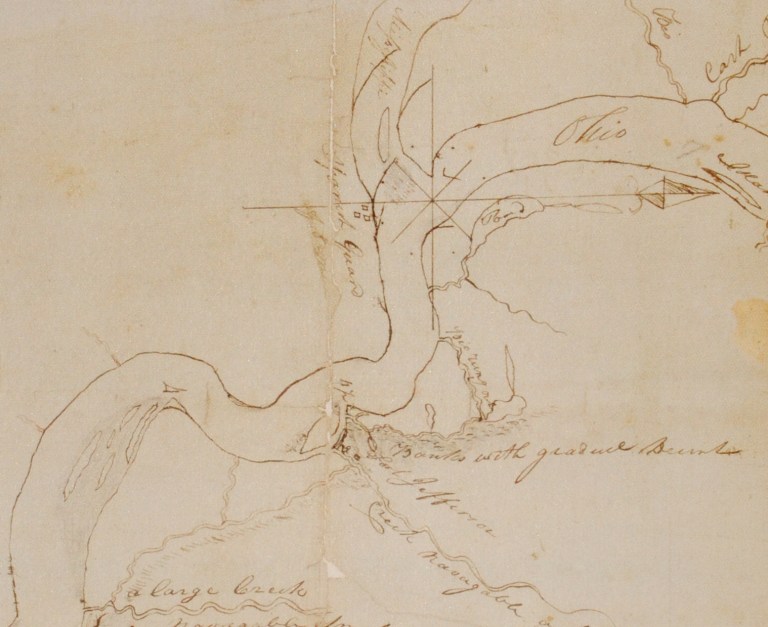
Three years after the triumphant return of the Corps of Discovery, Meriwether Lewis was Governor of Upper Louisiana and under intense political pressure. On September 4, 1809, he left St. Louis by boat, bound for Washington, D.C. to defend his administration of the territory and to publish the journals of the expedition. He meant to continue down the Mississippi to New Orleans and go on by sea, but ill with malaria and worried about the safety of his papers, he changed his plans on the river. At the Chickasaw Bluffs, where Fort Pickering stood on the site of present-day Memphis, he left the river and turned overland.

Lewis arrived at Fort Pickering on September 15, 1809, exhausted and ill. He stayed two weeks under the care of Captain Gilbert C. Russell, recovering enough to continue. He set out again on September 29, accompanied by his servant John Pernier, the Chickasaw agent James Neelly, and Neelly’s slave. The party crossed the Tennessee River and entered the Trace.
On the night of October 11, 1809, at Grinder’s Stand in middle Tennessee, Lewis died. The circumstances are still debated: most scholars accept suicide, and a vocal minority continue to argue murder. What is undisputed is that Lewis’s last great river journey followed the Lower Mississippi.
In September 2026 that river went on the record. The Mississippi Lewis traveled from the mouth of the Ohio down to the Chickasaw Bluffs at Memphis is now in 360° on the Trust’s Mississippi River map, together with the lower Ohio that Lewis and Clark descended in November 1803.
Lewis leaves St. Louis by boat and starts down the Mississippi, bound for Washington, D.C.
Reaches the Chickasaw Bluffs (present-day Memphis).
Sets out overland for the Chickasaw Agency with Major James Neelly and John Pernier.
Lewis dies in a roadhouse on the Trace; circumstances debated to this day.
243 miles of Lewis's river, from the confluence to Memphis, paid for by the Trust's challenge fund and its anonymous match.
Terrain360 adds 163 miles past Memphis to the mouth of the Arkansas River, taking out at Terrene Landing near Rosedale, Mississippi.
Three days on the water, September 7 to 9, 2026. Miles are measured along the capture path.
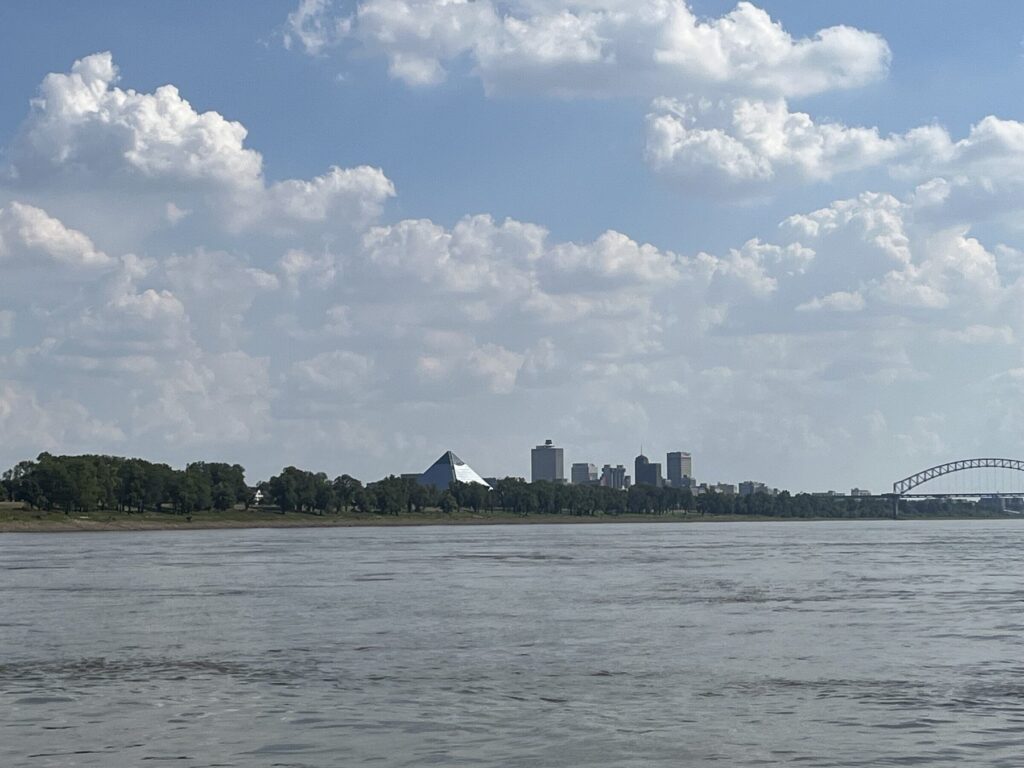
Field photos from September 7 to 9, 2026, each with its place and time. All photos by Terrain360 for the Lewis and Clark Trust, including the view of downtown Memphis at the top of this page, taken from the Mississippi on September 8, 2026 at 3:29 PM.
Off Cairo Point, Illinois. September 8, 2026, 7:19 AM, the start of the Cairo to Memphis run.
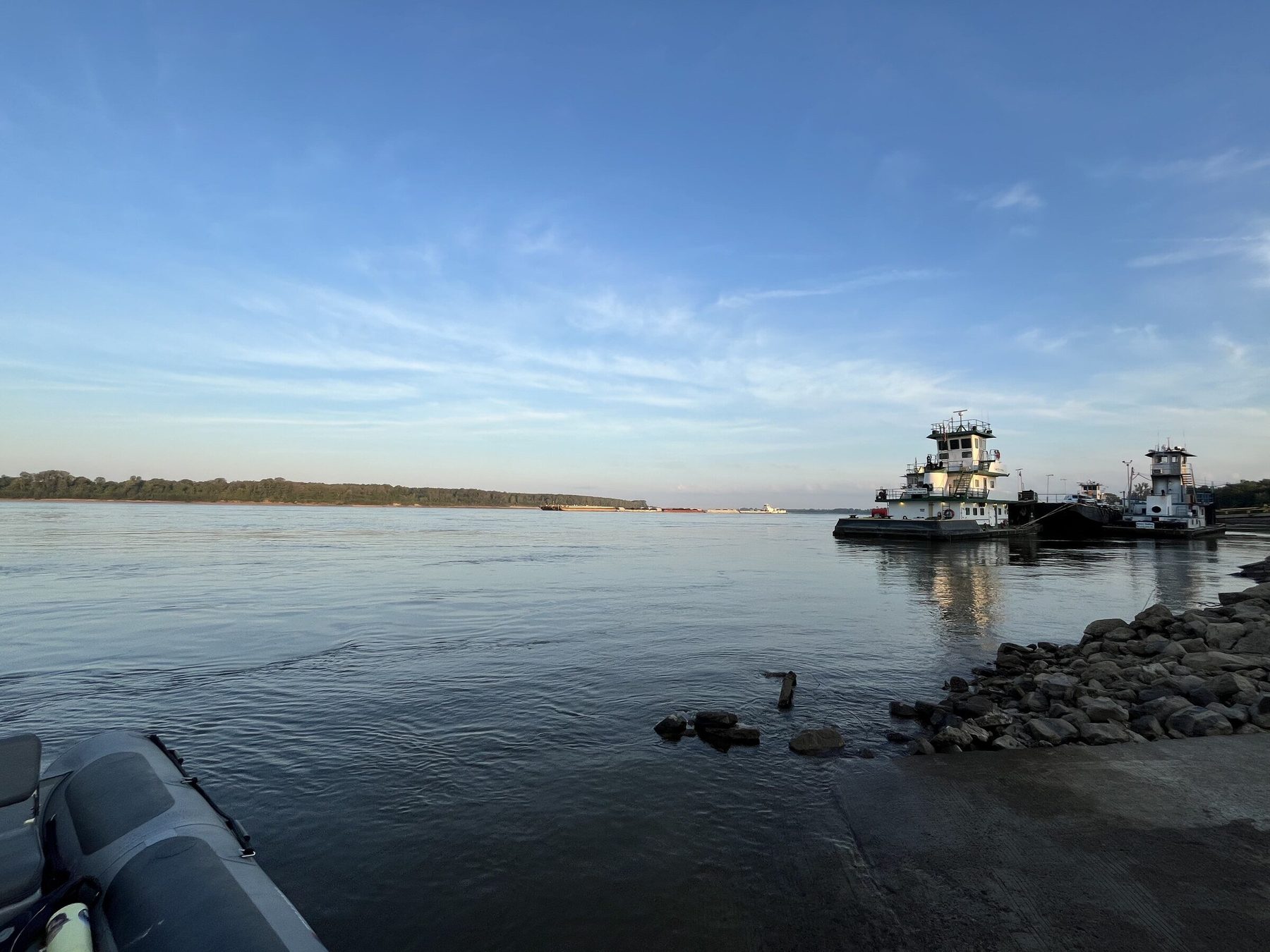
The Wickliffe, Kentucky riverfront on launch morning. September 8, 2026, 7:01 AM.
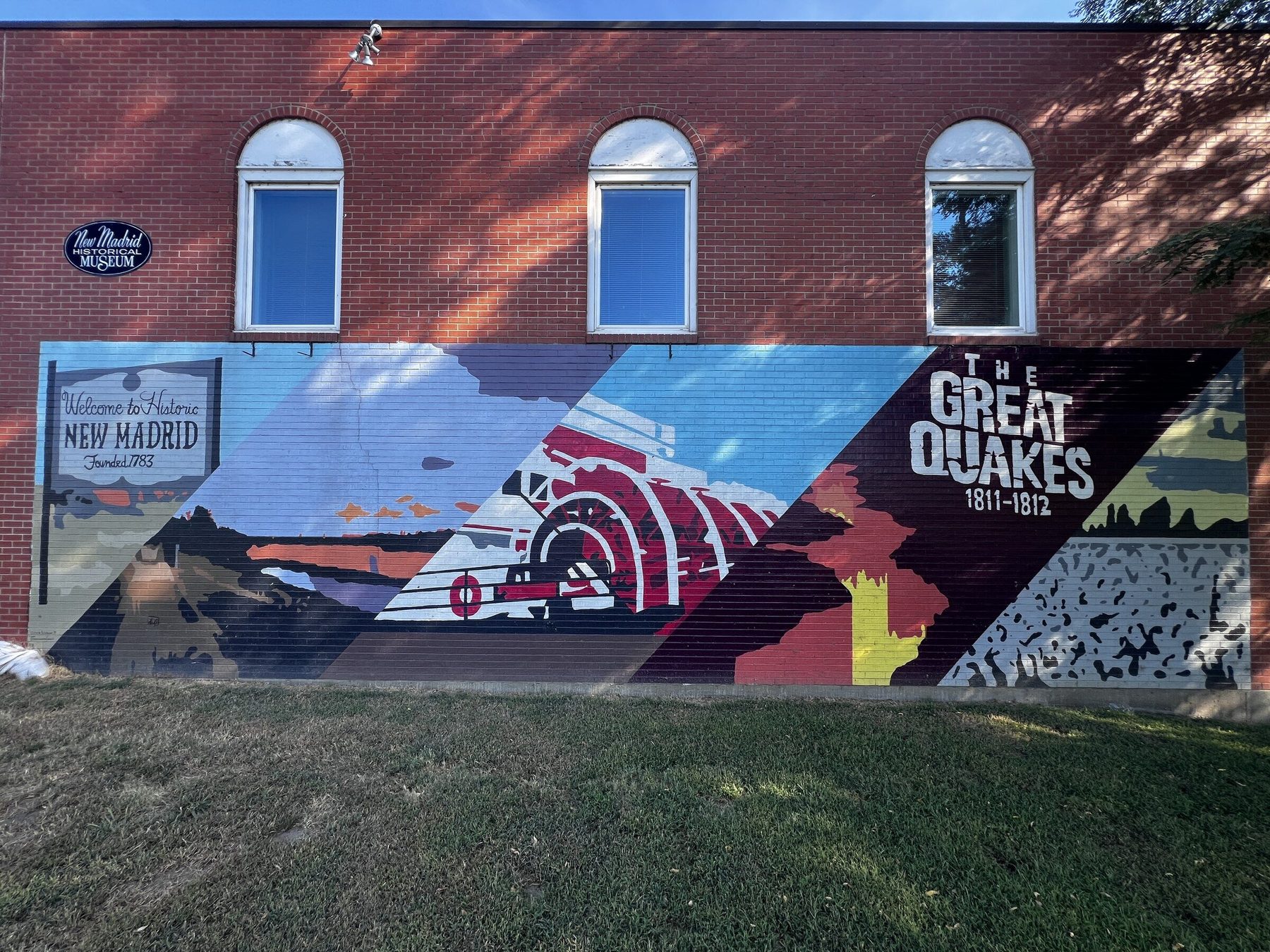
"The Great Quakes 1811-1812," New Madrid, Missouri. September 8, 2026, 9:08 AM.
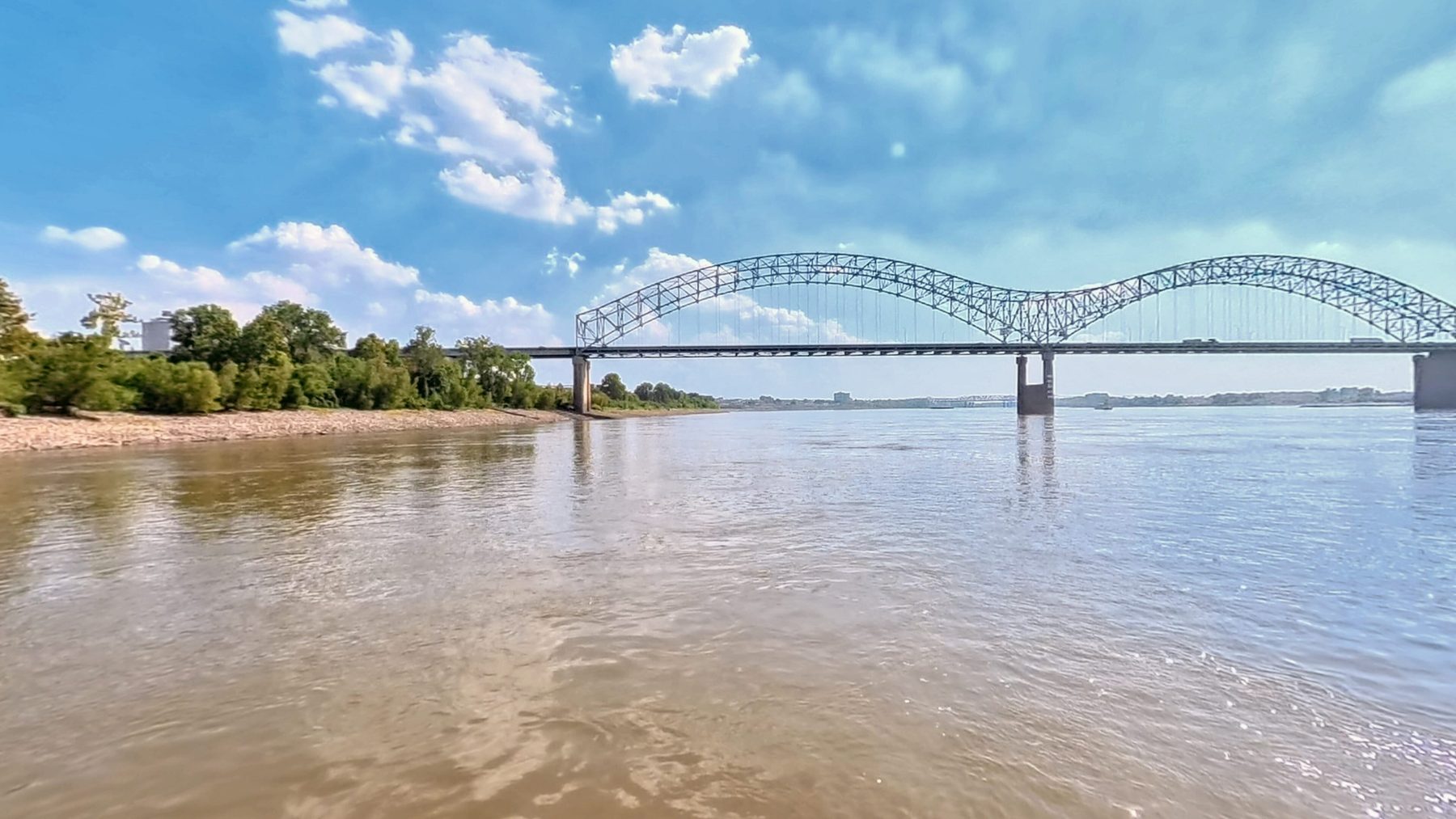
Interstate 40 at Memphis, Tennessee, from the Mississippi. September 8, 2026, 3:27 PM.
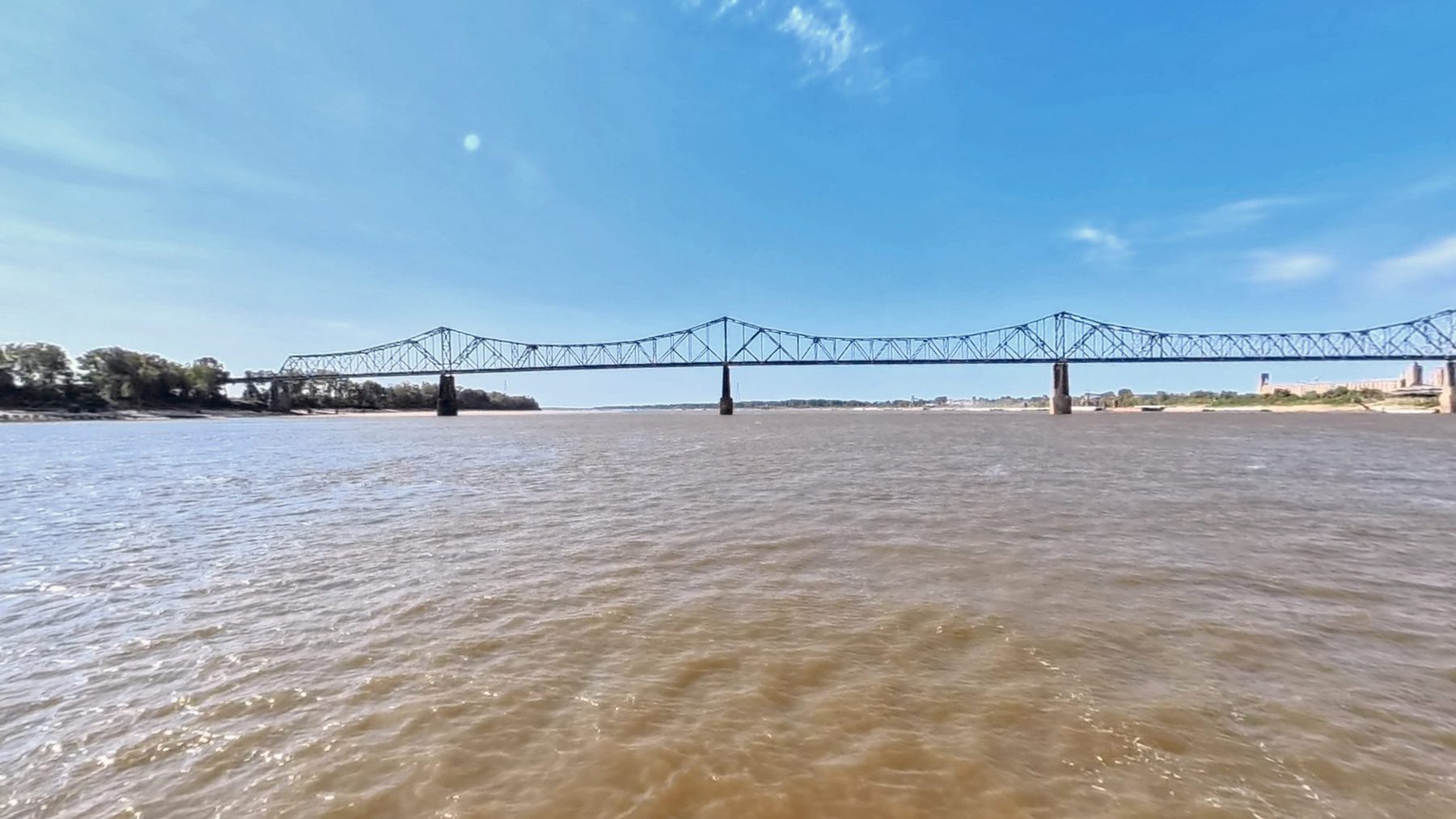
US 49 from Helena-West Helena, Arkansas, to Mississippi, seen from the river. September 9, 2026, 9:49 AM.
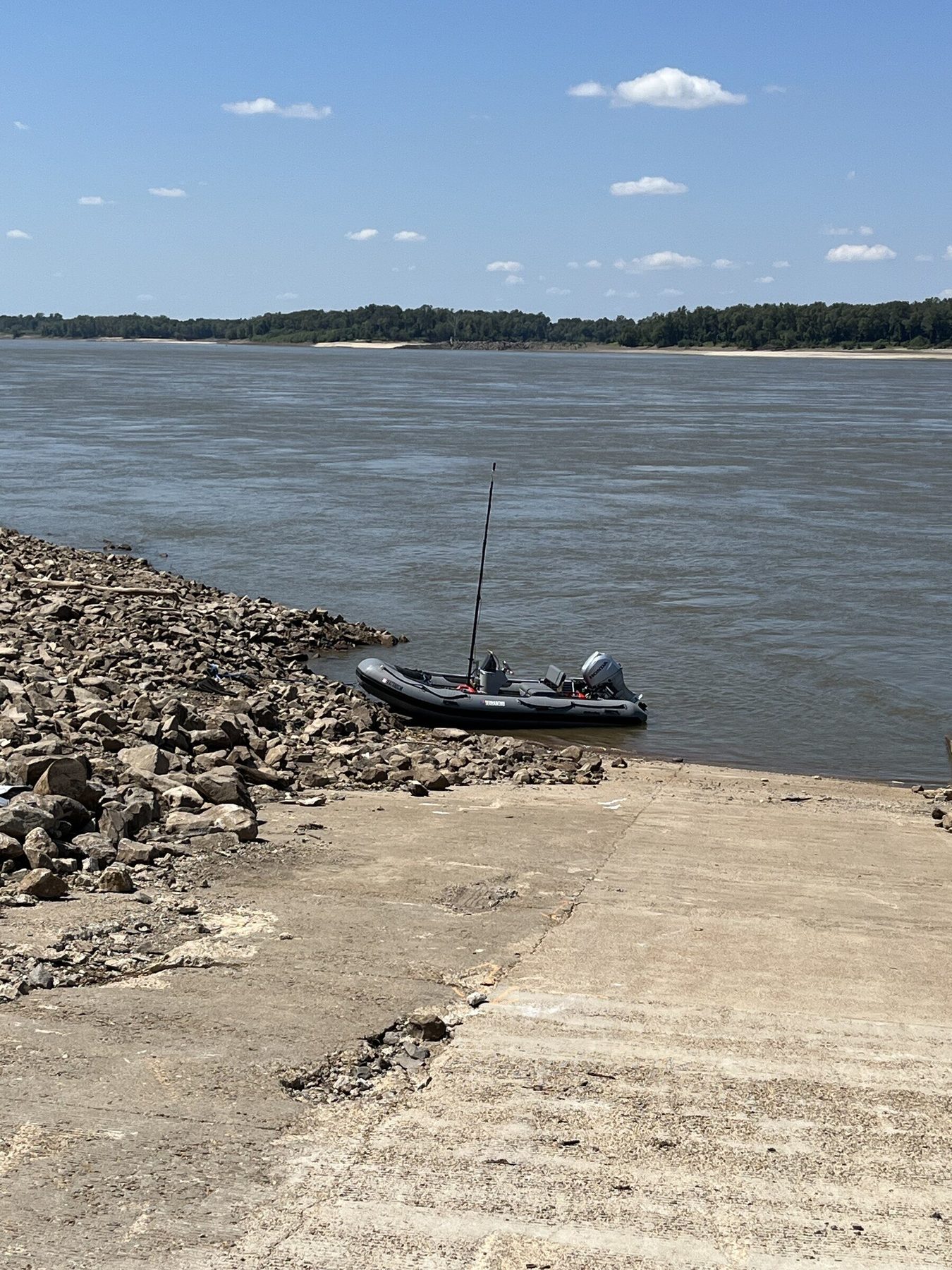
The ramp near Rosedale, Mississippi, at the end of the Memphis run. September 9, 2026, 12:42 PM.
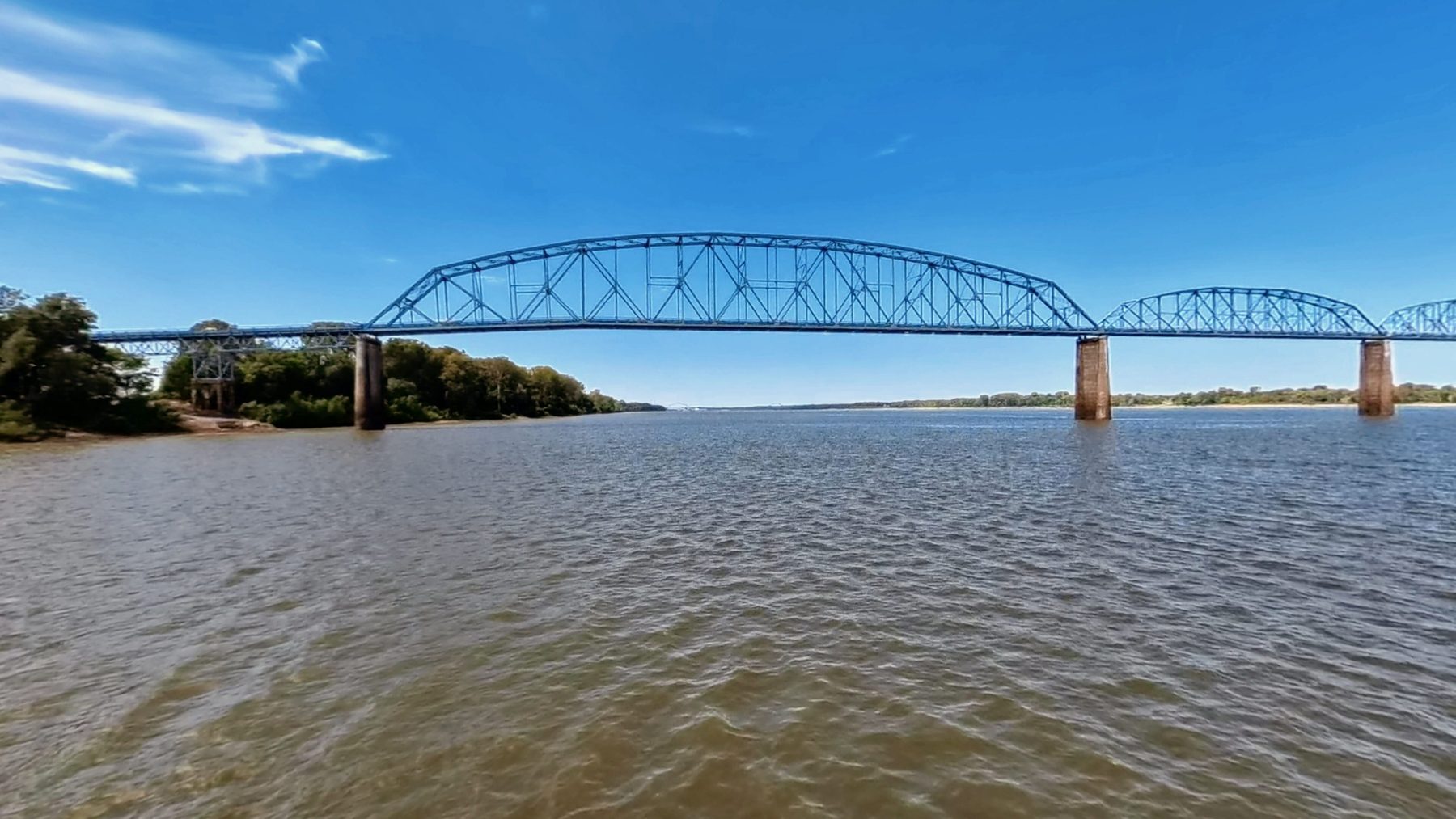
US 45 at Paducah, Kentucky, from the Ohio. September 7, 2026, 1:11 PM.
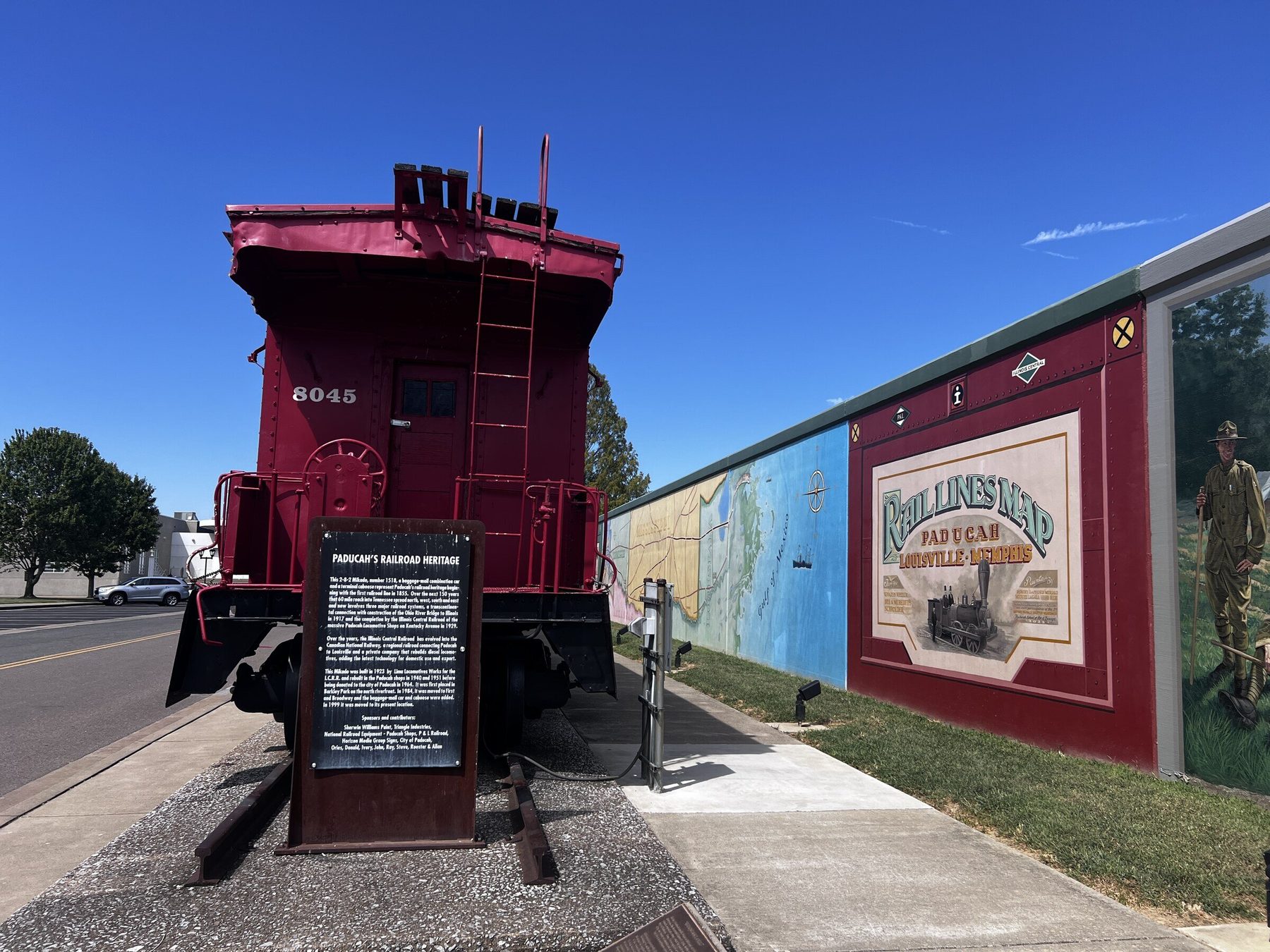
Paducah, Kentucky. September 7, 2026, 1:32 PM.
2027
In 2027 the new imagery goes to work for the effort to complete the trail, with pictures of the river and of the Great River Road.
The Trust is working toward a Coast-to-Coast Lewis and Clark National Historic Trail. The Mississippi below Cairo is not part of the National Park Service’s trail today, so this record sits on the Trust’s own Mississippi River map.
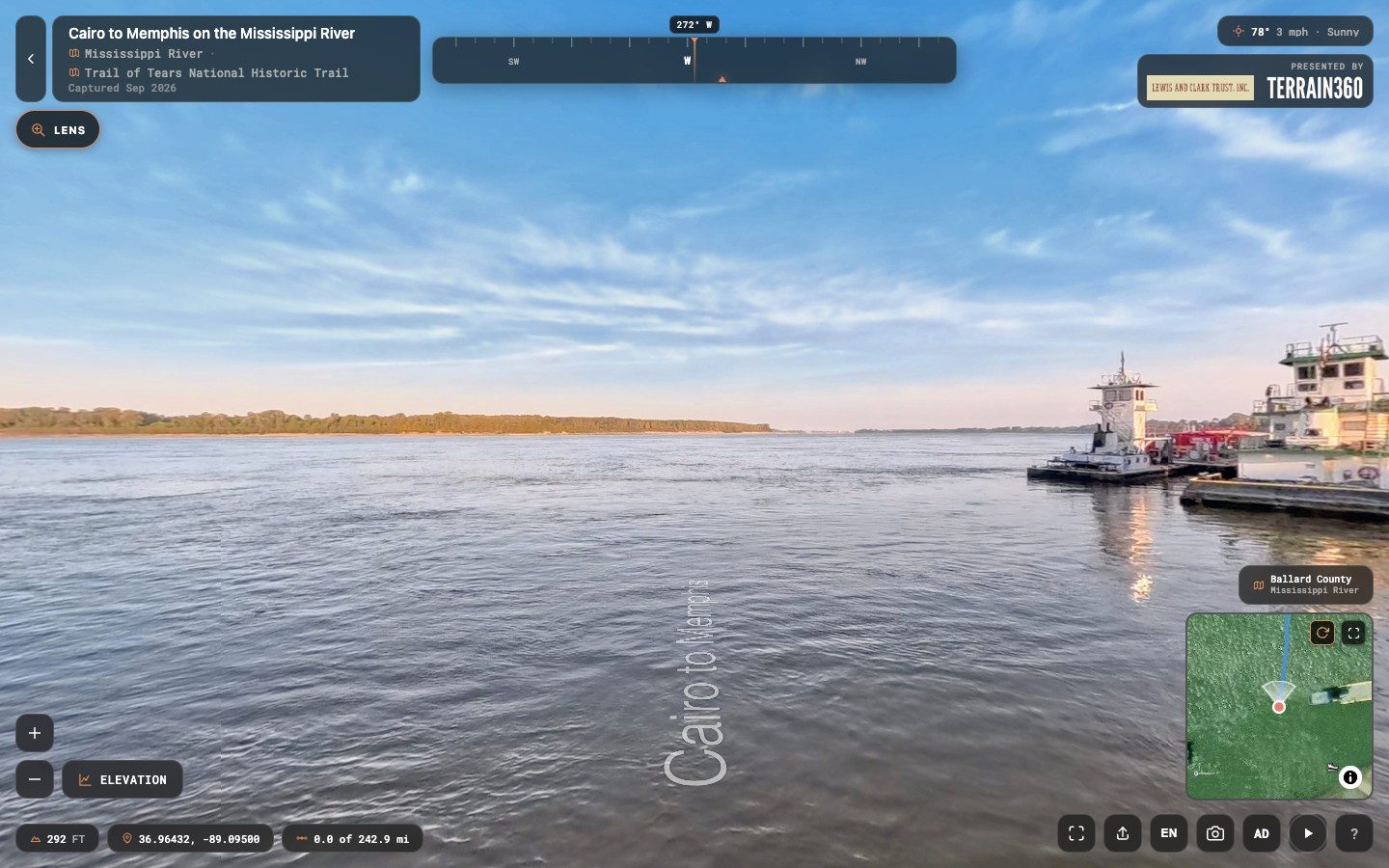 ↗ Open the live map
The Cairo to Memphis run on terrain360.com, presented by the Lewis and Clark Trust. The map opens in a new tab and runs in any web browser.
On the Trust’s Mississippi River map at terrain360.com/map/mississippi-river. It is free and runs in any web browser, with no app to install. To start at the confluence, open Cairo to Memphis. The run past Memphis is Memphis to Terrene Landing.
The 243 miles from Cairo to Memphis were paid for by the Lewis and Clark Trust’s challenge fund and its anonymous match. The 163 miles from Memphis to the mouth of the Arkansas River were Terrain360’s own contribution.
No. The Mississippi below Cairo is not part of the National Park Service’s Lewis and Clark National Historic Trail. Lewis traveled it in September 1809, three years after the expedition returned, on his way east. The record sits on the Trust’s own Mississippi River map, separate from the trail map.
On September 7, 2026 the last gap on the lower Ohio was filled: 140 miles from Blackburn past the Wabash to Birdsville, and from Smithland to Olmsted Locks and Dam. Joined to the earlier runs, the Ohio is now on the record to its confluence with the Mississippi, apart from short breaks at locks and dams. See The Ohio River in 360°.
The Lewis and Clark Trust, Inc. paid for the Cairo to Memphis reach. Jim Mallory, Vice Chairman, is the Trust’s contact: jim@lewisandclarktrust.org.
Terrain360 did the field capture and hosts the map. Ryan Abrahamsen, Principal, leads the river work: ryan@terrain360.com, 804.677.1456.